Blog
Blog
How to Keep Your Pet Safe When the Temperature…
How to Keep Your Pet Safe When the Temperature Drops
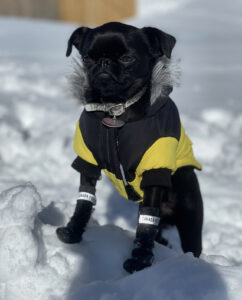 When winter weather sets in, it’s important to remember that our pets feel the cold too. From freezing temperatures to toxic chemicals on sidewalks, colder months can pose real risks. Here are five simple ways to help keep your pet safe when the temperature drops.
1. Keep Pets Warm
Just like people, pets can be vulnerable to cold temperatures. Whenever possible, pets should stay indoors. If they do need to go outside, make sure they’re properly protected. If it feels cold to you, chances are it feels cold to them as well.
Consider dressing your dog in a jacket or sweater, and boots to protect their paws during walks or playtime. Also, limit the amount of time your pet spends outside in winter. Leaving a pet in the yard—or even in a car—on a cold day can be dangerous. Pets can suffer from hypothermia and frostbite just like humans. When in doubt, leave your pet safely at home.
2. Wipe Their Paws
During winter, sidewalks and streets are often treated with salt, de-icing chemicals, and antifreeze, all of which can be harmful if ingested. If your pet isn’t wearing booties, be sure to wipe their paws as soon as they come inside to prevent them from licking off dangerous residues or tracking chemicals into your home.
3. Use Pet-Safe Chemicals
Antifreeze is especially dangerous for pets. Traditional antifreeze contains ethylene glycol, which has a sweet taste that can attract animals but can cause kidney failure and may be fatal if ingested.
Whenever possible, choose pet-friendly antifreeze made with propylene glycol, which is less toxic. These products are widely available online and at many automotive stores. Always store antifreeze and other household chemicals securely out of your pet’s reach.
4. Provide Indoor Options
Cold temperatures, rain, and snow can make bathroom breaks unpleasant. Some pets simply refuse to go outside in bad weather. Providing a designated indoor potty option or safe indoor alternative (pee pads) can help prevent accidents and reduce stress during extreme weather.
5. Be Prepared for Emergencies
Winter storms can bring more than cold temperatures. Heavy snow, rain, and strong winds can lead to power outages and other emergencies. While we can’t predict every situation, we can be prepared.
Make sure all pets have proper identification, including a collar with an ID tag and your current phone number. Because collars can be lost, microchipping is also essential. Microchips greatly increases the chances of being reunited with your pet.
Finally, assemble a disaster kit for both you and your pets. Keep it easily accessible and include food, water, medications, treats, toys, and a pet first aid kit.